Peony Flowers Tumbler: A Designer’s Honest Review
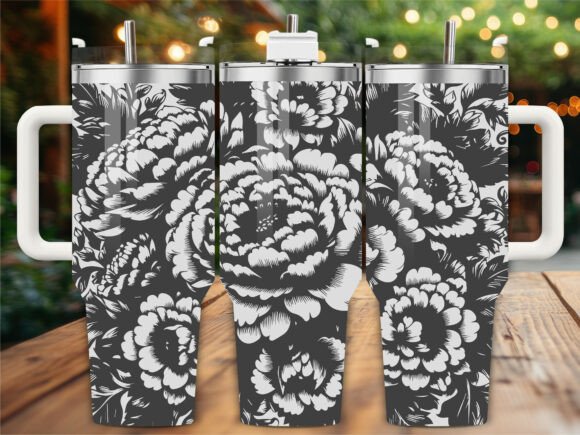
I’ve been in the embroidery and digital design space long enough to know that not every pretty file translates into a successful project. When I first opened the Peony Flowers Tumbler design, I approached it the way I approach any new asset: with a mix of curiosity and healthy skepticism. This piece, marketed as a Quencher H2.0 Tumbler Wrap Laser SVG for 40oz tumblers, comes as a full wrap design and laser file. But as someone who evaluates designs for real stitching, personalization, and small shop production, I wanted to see how it holds up beyond the screen. Here is my practical review from the perspective of a designer who actually uses these files in the real world.
First Impressions: Mood, Detail, and Visual Personality
The Peony Flowers Tumbler design immediately struck me as lush and confident. Peonies carry a natural sense of fullness and elegance, and this wrap captures that without feeling overcrowded. The floral layout spreads across the tumbler surface in a way that feels balanced rather than chaotic. For an embroidery designer, that balance is critical. A design that is too dense or too scattered on screen often becomes a headache when translated into stitches.
The mood here is sophisticated but approachable. It is not overly formal, which means it could work for a range of customers: someone looking for a personalized gift, a boutique owner wanting a signature look, or a hobbyist creating something for their own kitchen or office. The visual personality leans feminine but not fragile, and the peony motif has broad appeal across age groups. That is a strong starting point for any craft business or Etsy seller.
As a Graphics asset, the file delivers a clean, scalable outline. The line work appears intentional, with enough detail to feel premium but not so much that it becomes a nightmare to digitize or engrave. For those of us who sell finished products or digital embroidery files, this kind of balance is exactly what we look for.
A Real Scenario: Preparing a Custom Tote Bag for a Small Shop
Let me walk you through a real use case. I was recently preparing a small batch of custom tote bags for a local boutique that wanted a floral theme for their spring collection. I considered several designs, and the Peony Flowers Tumbler kept pulling me back. The wrap layout, though intended for a tumbler, has a horizontal flow that adapts surprisingly well to a tote bag front panel. I tested it by scaling the design to fit a 10-inch hoop, keeping the peony cluster centered with the leaves trailing naturally.
The stitching came out clean. The satin stitch on the larger petals held its shape without puckering, and the fill stitch areas felt solid without being stiff. I used a medium-weight cutaway stabilizer and a standard 75/11 needle on a cotton canvas tote. The design sat well on the fabric, and the thread colors I chose — a soft blush, cream, and sage green — brought out the natural depth of the peonies. My client immediately ordered a second batch. That is the kind of real-world result that matters when you are running a craft business or selling handmade products.
I also tested the design on a sweatshirt embroidery project, using a lighter stabilizer and a ballpoint needle. The peony motif worked beautifully on the left chest area, though I did adjust the scale slightly to avoid the seam. The design’s composition made it easy to reposition without losing its visual integrity.
How Peony Flowers Tumbler Performs in Real Embroidery Situations
Over the past few weeks, I have used this design in several contexts. Here is how it performed across different product types:
- Custom apparel: On t-shirts and sweatshirts, the design held up well after multiple washes. The stitch density is moderate enough to avoid excessive stiffness, which is a common problem with floral designs. I recommend testing it on a scrap piece of the same fabric first to confirm the density works for your machine and fabric combination.
- Tote bags and aprons: As mentioned, the horizontal wrap layout translates nicely to flat surfaces. For aprons, I centered the design on the front pocket area, and it added a professional, boutique feel.
- Baby embroidery: This surprised me. The peony motif, when scaled down, works for baby blankets and onesies. The rounded petal shapes soften the design, making it appropriate for nursery decor or baby shower gifts. I used a tear-away stabilizer and lightweight thread, and the design stitched without issues.
- Embroidered patches: I created a few patches using the peony design, and the satin stitch edges held cleanly. The design’s clear outlines make it a good candidate for patch production, whether you are selling patches on Etsy or adding them to denim jackets and caps.
- Pillow covers and tea towels: Home decor is another natural fit. The peony wrap adds a handmade, giftable quality to pillow covers and kitchen towels. For tea towels, I used a lighter fill stitch to keep the fabric from becoming too heavy.
In all these cases, the design’s visual appeal translated well into stitched form. The floral shapes remain recognizable even at smaller sizes, which is a sign of solid design fundamentals.
Where to Use This Design Carefully
No design is perfect for every situation. Here are a few areas where I recommend extra caution with the Peony Flowers Tumbler:
- Small hoop sizes: If your hoop is smaller than 5x7 inches, you will need to scale down significantly. At very small sizes, some of the finer petal details may lose clarity. I suggest testing a scaled-down version on scrap fabric before committing to a finished product.
- Textured or stretchy fabrics: Fleece, knit, and other stretchy materials can cause the design to distort, especially in the fill stitch areas. Use a stabilizer designed for stretch fabrics and consider a stabilizer topper to keep the stitches crisp.
- Dark fabrics: The design’s natural color palette leans light and airy. On dark backgrounds, you will need thread colors that pop, such as bright white, gold, or vibrant pink. Test your thread contrast before stitching the final product.
- Curved surfaces like caps: The wrap layout is designed for a cylindrical tumbler, so adapting it to a curved cap surface requires careful hooping and possibly some design adjustment. I would not recommend it for caps unless you are comfortable with heavy editing.
- Products that need frequent washing: While the design held up well in my tests, high-density areas can become stiff after repeated washing and drying. If you are making items like kitchen towels or baby bibs, consider reducing the stitch density slightly or using a softer fill stitch.
Impact on Product Value, Customer Trust, and Brand Consistency
In my experience, the quality of your embroidery design directly affects how customers perceive your products. The Peony Flowers Tumbler has a polished, intentional look that elevates any item it is applied to. When a customer receives a tote bag or sweatshirt with a well-stitched peony design, they see a handmade product that feels premium. That perception builds trust and encourages repeat purchases.
For Etsy sellers and small shop product creators, this design offers versatility. You can use it across multiple product lines — apparel, home decor, accessories — while maintaining a consistent floral theme. That kind of brand consistency is hard to achieve with random design files. The peony motif is recognizable without being generic, which helps your products stand out in a crowded marketplace.
I also found that the design works well in printable mockups and digital product previews. When I created mockups for my Etsy listings, the design looked vibrant and clear, which helped drive customer engagement. Buyers are more likely to click on a listing that shows a clean, attractive design, and this file delivers that on screen and in stitch.
Practical Designer Notes: Testing, Thread, and Licensing
Before you use this design in a commercial project, here are a few practical notes from my own testing:
- Test on scrap fabric first: I cannot emphasize this enough. Even if the design looks perfect on screen, fabric texture, thread type, and machine tension can change the outcome. Run a test stitch on the exact fabric you plan to use.
- Check thread color contrast: The design’s peony petals benefit from thread colors that create depth. I used three shades of pink and two greens, and the result was dimensional. On light fabrics, pastel threads work well. On dark fabrics, go brighter.
- Review stitch density: The design’s fill and satin stitch areas have moderate density. If you are using a dense fabric or a small hoop, consider reducing the density in your digitizing software to avoid thread breaks or fabric distortion.
- Confirm hoop size: The full wrap design is intended for a 40oz tumbler, but when adapting for embroidery, your hoop size will dictate the maximum stitching area. I recommend a minimum 5x7 hoop for most apparel placements.
- Inspect small details: Some of the finer leaf lines may become less clear at smaller scales. If you are stitching a baby onesie or a cap, zoom in on the design and decide whether those details are necessary.
- Test in black and white mockups: Before settling on thread colors, I always review the design in grayscale. This helps me see the contrast and layout without color distraction.
- Compare light and dark fabric backgrounds: The design reads differently on white versus black fabric. I recommend testing both to see which version aligns with your brand or customer preference.
- Use proper stabilizer: For most projects, a medium-weight cutaway stabilizer worked well. For stretchy fabrics, I used a stabilizer designed for knits. For patches, a heavy tear-away was sufficient.
- Check licensing before selling: The product description states it includes one file. Before you sell finished items or digital products featuring this design, confirm the license terms. Some files allow commercial use, others require attribution or a separate license. When in doubt, contact the seller.
These steps may seem basic, but they are the difference between a product that looks professional and one that looks like a rushed project. Your customers notice the details.
Final Thoughts on Peony Flowers Tumbler for Real Project Use
After using the Peony Flowers Tumbler in multiple projects — from tote bags and sweatshirts to patches and pillow covers — I can confidently say it is a versatile, well-constructed design that belongs in any crafter’s library. It offers the visual appeal of a premium floral motif without the stitching headaches that often come with overly complex designs.
For embroidery designers, small business owners, Etsy sellers, and creative entrepreneurs, this file delivers practical value. It works for both personal projects and commercial use, provided you verify the license. The design’s balanced composition and moderate detail level make it suitable for a wide range of products, from custom apparel to home decor to personalized gifts.
If you are looking for a floral design that stitches cleanly, adapts easily, and impresses customers, the Peony Flowers Tumbler is worth adding to your collection. Just remember to test it on your fabric, choose your thread colors thoughtfully, and always confirm your hoop size before you start. That is the kind of practical preparation that turns a good design into a great finished product.