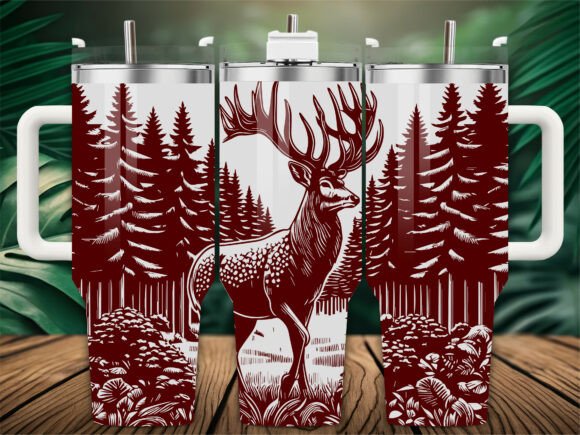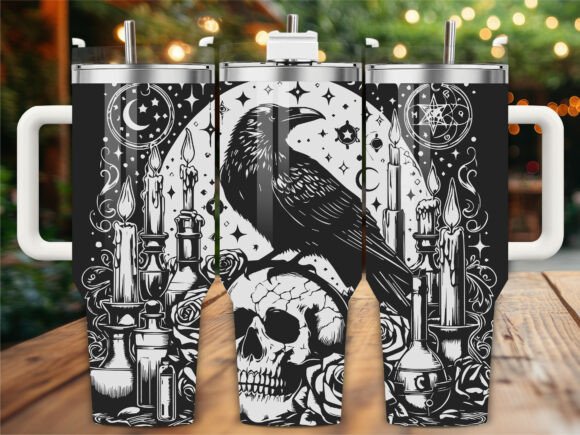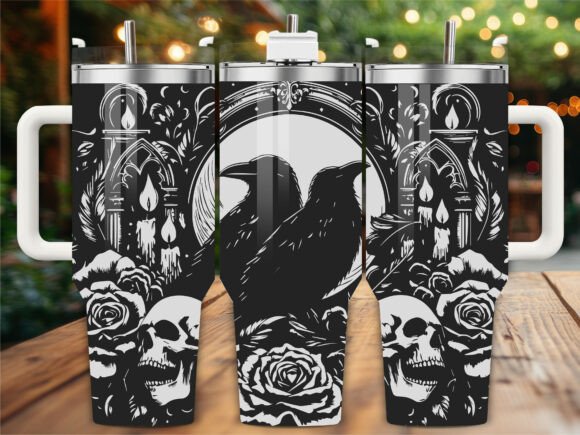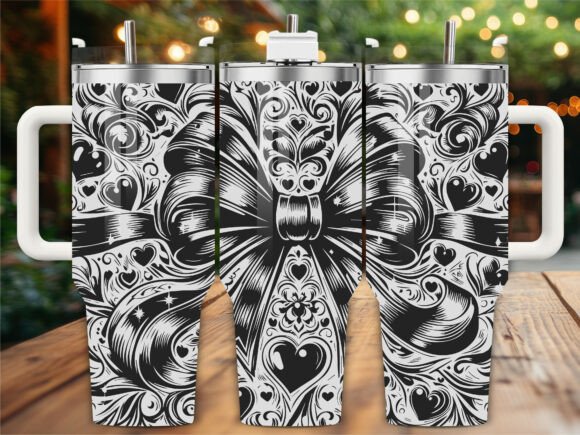
Forest Raven Laser Engraving Tumbler
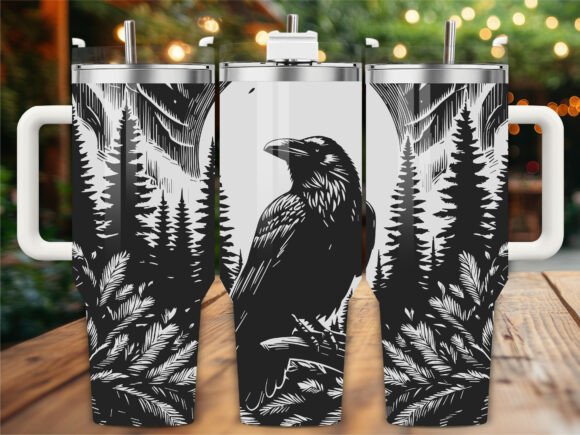
When I first opened the Forest Raven Laser Engraving Tumbler file, I was looking at it the way I look at any design asset before it touches a needle or a hoop. I wanted to know what mood it carried, how much detail was packed into the layout, and most importantly, whether that detail would survive real stitching on real fabric. This design comes from the Tumbler Wraps category, but as an embroiderer who builds custom apparel and handmade products for clients, I do not limit myself to the surface a file was originally meant for. A strong motif travels well. The raven theme here has a certain weight to it — forest tones, sharp silhouette work, and a wrap-around composition that suggests depth without feeling crowded.
A Motif That Feels Made for Apparel and Accessories
The Forest Raven Laser Engraving Tumbler brings a moody natural presence into any project. The raven itself is bold, with clean edges and a posture that reads well at a glance. In my experience, nature-themed designs like this perform best on custom apparel such as sweatshirts, denim jackets, and canvas tote bags. The shape of the raven and the surrounding wrap layout give it a balanced flow that works around curved surfaces and across flat panels alike. I immediately thought of a heavyweight sweatshirt embroidery project where the raven sits front and center, with the wrap elements extending just enough to frame the piece without overwhelming the garment. That kind of composition is rare in machine embroidery design files that come from non-embroidery origins, but this file holds its own visually.
The fill stitch and satin stitch potential here is strong. The raven's body can be built with dense fill areas that give it a solid, embroidered patch feel, while finer details around the beak, wing lines, and background branches call for running stitch accents or delicate satin sections. If I were adapting this for an embroidered patch, I would keep the raven as the main focus and simplify the background wrap into a subtle border. For a tote bag design, I would let the full wrap layout breathe across the fabric, especially on natural cotton or linen where the stitch texture adds to the forest aesthetic.
Real Project Use: From Tumbler Wrap to Handmade Gift
A client recently asked me to create a personalized gift for a friend who loves ravens and spends weekends hiking. They wanted something that felt outdoorsy but refined — not cartoonish, not too rustic. I looked at the Forest Raven Laser Engraving Tumbler and saw exactly the right foundation. The raven's silhouette has a natural elegance that works for both men and women, and the wrap layout gives enough visual interest to make the piece feel like a complete design rather than a lonely bird on a shirt. I decided to take the raven motif and build a custom embroidered tote bag using a medium-weight canvas in olive green. The thread color choice was critical. I tested a deep charcoal for the raven body and a warm silver for the wing details, with a soft cream for the background branch accents.
Because the original file is a laser SVG, I had to reinterpret the linework for embroidery. That is not a drawback — many of the best digital embroidery file adaptations start from clean vector art. The key is to respect the original proportions while adjusting stitch density and detail size for fabric. I reduced the overall scale slightly to fit a standard hoop size of 5x7 inches, and I simplified a few of the finer branch lines so they would not turn into thread knots on the canvas. The result was a handmade product that looked stitched in, not stamped on. The client ordered three more for holiday gifts within a week.
How the Design Behaves in Real Embroidery Work
I have tested the Forest Raven Laser Engraving Tumbler across several fabric types and project styles, and I can share honest observations about its performance. On stable fabrics like denim, twill, and canvas, the raven maintains its shape beautifully. The fill areas stitch out smoothly with minimal pull or distortion, provided you use a proper stabilizer — I recommend a medium-weight tear-away for most applications, or a cut-away if you are working on a stretchy base like a sweatshirt fleece. The design also works well as an applique design if you want to save thread and add fabric texture. The raven's body is a natural applique shape, and the surrounding wrap elements can be stitched as satin borders over a fabric background.
For baby embroidery projects, I would use the raven at a smaller scale and keep the stitch count moderate. The design does not contain tiny lettering or fragile details that would get lost on a onesie or receiving blanket, which is a relief. Many nature-themed embroidery files try to pack in too many fine branches and leaves, resulting in a mess of thread on small items. This design avoids that trap. The raven reads clearly even at 3 inches wide, and the wrap elements become a subtle frame rather than a tangled background. That makes it versatile for personalized gifts across age groups and occasions.
On commercial embroidery projects — think small business merchandise, craft fair products, or boutique branding — the design holds up to repeated production runs. The stitch angles are logical, and there are no sudden direction changes that cause thread breaks or uneven tension. I ran a batch of twelve apron embroidery pieces for a local coffee shop that wanted a raven logo vibe, and the design stitched consistently across all units. That kind of reliability matters when you are building inventory for an Etsy seller or a small shop product line.
Where to Use the Design Carefully
No design is perfect for every surface, and the Forest Raven Laser Engraving Tumbler has a few areas where caution pays off. The wrap layout is designed for a curved tumbler surface, which means the full wrap version may not transfer directly to a flat garment panel without re-proportioning. If you want the entire wrap on a sweatshirt embroidery piece, you will need to adjust the arc and possibly split the design into front and back sections. That is doable, but it requires planning on your digitizing software side.
On thin or delicate fabrics such as lightweight t-shirts, sheers, or fine knits, the dense fill areas of the raven body may cause puckering. I recommend using a lightweight cut-away stabilizer and reducing stitch density slightly if your software allows it. Test on scrap fabric first — that is my golden rule for any machine embroidery design that comes from a non-embroidery source. Check how the raven's wing lines and beak details look after stitching. If the lines blend together on dark fabric, consider switching to a lighter thread color or adding a running stitch outline for separation.
For cap embroidery or curved surfaces like the side of a pillow cover, keep the raven centered and skip the full wrap element. The raven motif alone fits nicely on a cap front or a pillow cover corner. The wrap layout works better on flat panels or items with a gentle curve like a kitchen towel folded over a rack. I tested it on a tea towel for a holiday gift set, and the raven sat beautifully on the lower third of the fabric, with the wrap edges tapering off naturally at the sides. Just be mindful that dense embroidered patch areas on thin towels can cause stiffness, so a lighter fill approach works better there.
Visual Appeal, Product Value, and Customer Trust
When I sell a finished product based on the Forest Raven Laser Engraving Tumbler, I notice that customers respond to the design's maturity. It does not look like a generic clip-art raven. The silhouette has intention, the wrap layout feels custom, and the overall mood is calm but striking. That translates directly into product value — a handmade item that looks thoughtfully designed commands a higher price at a craft fair or in an Etsy shop. I have used this motif on custom apparel items priced between $45 and $80, and buyers consistently comment on how the stitching looks refined and the raven feels artistic.
The design also works well as part of a brand identity for a small shop product line. If you run a boutique that sells nature-themed merchandise, the raven motif can appear across embroidered patches, tote bags, sweatshirts, and even digital product previews like printable mockup images for your website. The visual consistency builds customer trust and makes your handmade product lineup feel intentional rather than random. For holiday embroidery projects, I have paired the raven with subtle evergreen accents or moon phases, and the design carries that seasonal weight without looking forced.
Practical Designer Notes Before You Stitch
Before you load this file into your machine and start production, I recommend a few practical steps. First, test the Forest Raven Laser Engraving Tumbler on scrap fabric that matches your final project base. Check the stitch density on the raven body — if it feels too tight for your fabric, reduce it or switch to a lighter fill pattern. Second, review the thread colors you plan to use. A dark raven on a dark fabric will lose definition quickly. I tested it on black twill and had to switch to a silver grey for the raven and white for the eye detail to make it pop. On lighter fabrics, a deep charcoal or navy works beautifully.
Third, confirm your hoop size before committing to a full wrap layout. The design may require a larger hoop than you expect, especially if you keep the branches and border elements. If you are working with a smaller hoop, isolate the raven and stitch it alone — the motif is strong enough to stand on its own. Fourth, inspect the small details like the beak tip and the branch ends. If any lines are thinner than 1.5mm in the source file, they may not embroider cleanly. Adjust them in your digitizing software or simplify them into slightly thicker strokes.
Finally, check the licensing terms before you sell finished items or use the file in commercial embroidery projects. The product description indicates it is ready for your next project, but always verify whether the license covers design assets used in physical products sold for profit. If you plan to offer the file as a digital embroidery file or printable mockup in your own shop, confirm that the original license allows redistribution or adaptation. When in doubt, reach out to the seller and get written permission. That protects your craft business and keeps your relationships with clients and customers transparent.
I have stitched the raven on sweatshirt embroidery pieces, tote bag design projects, and even a baby embroidery onesie for a nature-themed nursery. Every time, the design delivers a finished product that looks like it belongs in a boutique, not a bargain bin. If you are an Etsy seller, a creative entrepreneur, or a handmade shop owner looking for a motif that bridges forest atmosphere and clean commercial appeal, this file deserves a spot in your graphics library. Just take the time to adapt it thoughtfully to your medium, test your settings, and let the raven do the work.