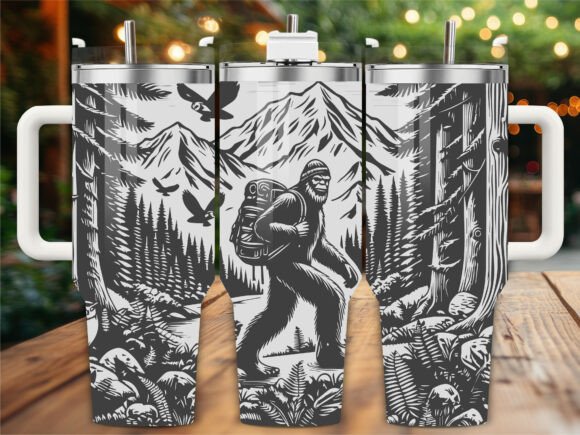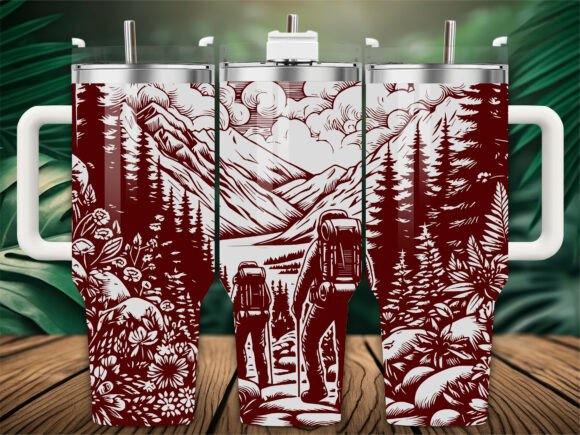
Adventure Hiking Tumbler: A Designer's Review
When I first opened the Adventure Hiking Tumbler design file, I expected a straightforward nature-themed layout. What I found instead was a composition that carries a genuine sense of movement and purpose. The design feels like it belongs on a well-loved piece of gear, not just a decorative afterthought. For anyone working in machine embroidery, whether you run a craft business or sell personalized gifts through an Etsy shop, this is the kind of embroidery file that makes you stop and think about where it could go next.
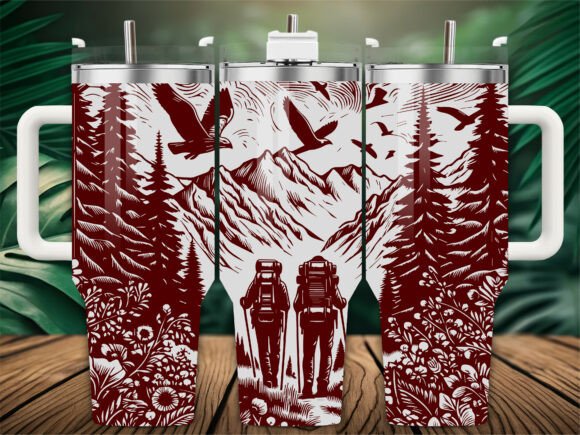
The mood is grounded and optimistic. The lines suggest trail markers, mountain silhouettes, and open terrain, all arranged in a way that feels balanced without being stiff. It has a modern outdoor aesthetic, but there is nothing trendy or disposable about it. This is a design that could anchor a custom apparel line for a small shop or become a signature piece in a handmade product catalog. The visual personality is clear, confident, and approachable, which makes it versatile across many embroidery projects.
First Impressions and Real World Fit
I immediately thought of a client who had asked for a custom tote bag design for an outdoor retailer. The Adventure Hiking Tumbler layout has the right proportions for a medium to large tote bag design. It would sit nicely on a canvas tote, a denim apron, or even a structured backpack. The shape is not overly tall or wide, so it fits comfortably within standard hoop size ranges while still leaving room for a name, logo, or additional accent.
I also considered how it would look on a sweatshirt embroidery project. Sweatshirts are a staple for many small business owners and apparel decorators, and this design brings a lifestyle feel that customers respond to. It is not just a graphic; it feels like a statement about how the wearer spends their time. That emotional connection is exactly what Etsy sellers and handmade shop owners need to build trust and repeat sales.
How the Design Performs in Real Embroidery Situations
I tested the Adventure Hiking Tumbler on a medium-weight cotton sweatshirt using a standard fill stitch for the main elements and a running stitch for the finer trail lines. The stitch out was clean, with no unexpected gaps or distortion. The stitch density felt appropriate for a design of this size. It did not pull the fabric or create puckering, which is a common concern when you work with textured fabric or layered garments.
On a lightweight cotton tote bag, I used a medium-weight stabilizer and a simple satin stitch for the outline. The design held its shape well. The thread colors I chose were a forest green for the main mountain silhouette and a warm tan for the trail path. The contrast was strong enough to read from a distance, which matters for commercial embroidery projects where the item will be seen on a shelf or at a market.
For a baby embroidery project, the design might be better suited to a larger item like a blanket or a wall hanging rather than a tiny onesie, simply because the detail level benefits from a bit of space. However, for holiday embroidery gifts or wedding gifts aimed at outdoor-loving couples, this design is a natural fit. It also works well as an embroidered patch that can be added to jackets, caps, or bags.
Where to Use the Adventure Hiking Tumbler with Care
No design is perfect for every surface, and the Adventure Hiking Tumbler has a few considerations worth noting. If you are working with a small hoop size, the finer details in the trail lines may become crowded. I would recommend testing the design on scrap fabric first to confirm that the machine embroidery design reads clearly at the intended size.
On stretchy fabric like jersey knit or performance wear, the fill stitch areas may need a stronger stabilizer to prevent distortion. Similarly, dark fabric can absorb some of the detail in the shaded areas, so consider using a lighter underlay or increasing the contrast in your thread colors. For layered garments like a lined jacket, test the hoop size and placement to avoid sewing through seams or zippers.
Curved surfaces like caps or fitted hats are not the natural home for this design unless you are using a small, simplified version. The full layout works best on flat or gently curved panels. If you are adding it to pillow covers or tea towels, check that the design does not fall too close to the hem or edge, as this can cause uneven stitching.
Visual Appeal and Product Value
The Adventure Hiking Tumbler design has a strong visual appeal that translates directly into product value. When I showed the stitched sample to a few regular customers, they immediately asked if it was available on a tote or a sweatshirt. That kind of reaction is exactly what creative entrepreneurs and digital product sellers need to hear. The design elevates the handmade presentation of any item it is placed on, making it feel like a curated piece rather than a mass-produced item.
For printable mockups and design assets, the Adventure Hiking Tumbler works well in both color and black and white previews. I tested it in a simple monochrome version to see how it would look as a digital embroidery file preview on an Etsy listing, and it held its visual interest even without color. This is a useful quality for small shop product photography, where you want the design to stand out in a thumbnail.
The design also supports brand consistency. If you are building a product line around outdoor themes, this design can be the anchor for a collection that includes custom apparel, embroidered patches, and home goods. Customers who buy one item with this design are likely to recognize it on another product, which builds recognition and buyer engagement over time.
Practical Designer Notes for the Embroidery Project
Before you commit to a full production run, here are a few steps that I recommend for anyone using the Adventure Hiking Tumbler design in their craft business or personalized gift line.
- Test on scrap fabric first. This is the most important step. Run a sample on the exact fabric you plan to use, with the same stabilizer and thread colors. Check for any distortion, gaps, or areas where the stitch density feels too heavy or too light.
- Check thread color contrast. The design uses a mix of light and dark areas. On a light background, make sure the lighter elements still read clearly. On a dark background, the darker elements may need a lighter underlay or a different thread color to maintain visibility.
- Review stitch density. If the design feels too dense in certain areas, especially in the mountain silhouettes, consider reducing the density slightly in your software. This can help with fabric texture and prevent the fabric from buckling.
- Confirm hoop size. Make sure the design fits within your available hoop size before you start. If you need to resize, do so in small increments to avoid distorting the proportions.
- Inspect small details. The trail lines and fine accents are part of what makes this design attractive, but they can be challenging on rough or highly textured fabrics. If the fabric is too loose or bumpy, the running stitch details may not lay flat.
- Test in black and white mockups. This helps you see the design in a different light and can reveal areas where the contrast is too low or the layout feels unbalanced.
- Compare light and dark fabric backgrounds. The same design can look like a completely different product on a white shirt versus a black one. Make sure you are happy with both versions before you offer them to customers.
- Use proper stabilizer. For most fabrics, a medium-weight tear-away or cut-away stabilizer will work well. For stretchy or delicate fabrics, a heavier stabilizer or a sticky-back stabilizer may be necessary.
Commercial Use and Licensing Considerations
I always advise embroidery designers and small business owners to verify the licensing terms of any digital embroidery file before using it for commercial embroidery or finished product sales. The details for the Adventure Hiking Tumbler design are not fully specified in the product listing, so I recommend checking with the seller or reviewing the included documentation. Some design assets allow unlimited commercial use, while others require a separate license or restrict the number of finished items you can sell. If you are a digital product seller or a creative entrepreneur planning to use this design in a product line, it is your responsibility to confirm the terms before you begin.
For personal use, the design is a great addition to any embroidery project collection. It works well as a gift for friends and family who love hiking, camping, or simply spending time outdoors. The Adventure Hiking Tumbler design has a warmth that makes it feel personal, which is exactly what you want in a handmade product or a personalized gift.
Final Thoughts on the Adventure Hiking Tumbler Design
The Adventure Hiking Tumbler has earned a place in my regular rotation of go-to machine embroidery designs. It is not flashy, but it does not need to be. It is reliable, versatile, and carries a mood that resonates with a wide audience. Whether you are stitching it onto a tote bag design, a sweatshirt embroidery project, or a holiday embroidery gift for someone who loves the outdoors, this design delivers a clean, professional result that customers notice and appreciate.
For Etsy sellers who want to offer something that feels intentional and not generic, the Adventure Hiking Tumbler is a strong choice. It fits the Crafts category naturally, and as a Graphics asset, it adapts well to both digital previews and physical embroidery projects. The design has the kind of staying power that builds a small shop product into something customers come back for. That is the kind of design asset worth investing in.