Lily Pattern PNG for Graphics & Crafts Sellers
When you spend years building digital product shops across multiple marketplaces, you develop a sharp eye for which graphic design assets will actually perform and which ones will sit unsold. I previewed the Lily Pattern PNG as part of my product planning for an upcoming Etsy collection, and I want to share a practical assessment from the perspective of someone who sells SVG designs, printable files, and commercial creative assets every day. This review is not about hype. It is about whether this design can help you create sellable products, build customer trust, and improve your shop's visual presentation.
First Impressions and Visual Personality of Lily Pattern PNG
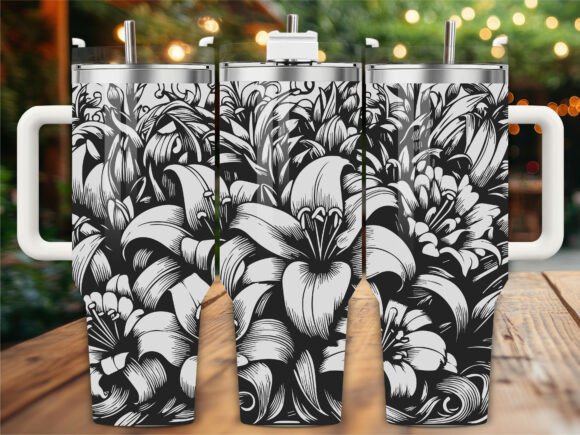
The Lily Pattern PNG presents a clean, ornamental motif that leans into botanical elegance without feeling overly fussy. The lily motif carries a refined quality that works across multiple niches from wedding stationery to home decor printables. In my experience testing design assets for product creation, the strongest patterns occupy a middle ground between generic and overly specific. This design hits that sweet spot. It feels modern enough for Canva templates and Cricut projects, yet classic enough for printable wall art and invitation templates.
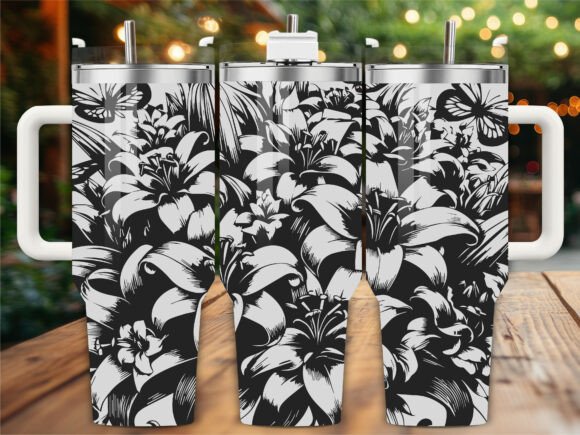
From a commercial design standpoint, the visual hierarchy is well balanced. The repeating lily structure offers enough detail to appear premium in large product previews, but the pattern density stays controlled so it does not overwhelm a tumbler wrap or a mug design. This is critical when you are preparing products for print-on-demand platforms where thumbnail appeal can make or break a listing. The mood leans feminine and decorative without being saccharine, which expands the addressable audience for your digital downloads and merchandise graphics.
Testing Lily Pattern PNG Across Product Categories
Before I commit any design asset to my shop, I run it through a series of real product scenarios. I started with the tumbler wrap concept that originally drew me to this file. The Lily Pattern PNG translated beautifully onto a 40oz Stanley-style tumbler layout. The wrap design filled the surface without awkward cropping, and the laser engrave SVG component held crisp lines when I previewed it on a dark metallic background. For anyone building a themed bundle around drinkware, this asset saves significant design time.
I also tested the PNG design on a set of sublimation drafts for ceramic mugs and fabric tote bags. The lily motif holds up well at print scale. The transparency in the PNG file remained clean, which matters when you layer the pattern over colored substrates. For sticker design applications, the pattern works best as a background texture or a decorative border rather than a tiny standalone element. Small stickers with intricate lily details may lose definition, so I recommend using the pattern at medium to large scale for physical products.
Where Lily Pattern PNG Delivers Strong Commercial Value
This graphic design asset excels in several specific selling situations. First, product presentation. When I placed the Lily Pattern PNG behind a mockup of a greeting card set, the listing image instantly looked more curated. Buyers respond to visual storytelling, and a cohesive pattern signals that you have invested in brand identity. For Etsy product listings and Creative Fabrica shop pages, thumbnail appeal drives click-through rates. This pattern gives your product photography a professional backdrop without requiring expensive styling.
Second, themed bundles. If you are building a seasonal collection or a cohesive set of digital downloads, the Lily Pattern PNG unifies disparate items. I paired it with a serif font for a wedding invitation template and with a handwritten font for a planner sticker set. Both combinations worked because the pattern does not compete with typography. It supports visual hierarchy without dominating it. This flexibility is rare in ready-made clipart and illustration packs.
Third, Canva templates and social media graphics. The PNG format imports cleanly into Canva, and the pattern layers well behind text blocks for blog graphics, promotional visuals, and Pinterest pins. For small business branding, this asset can serve as a recurring visual element across packaging design, business cards, and digital menus. The commercial license allows you to sell finished products, which is essential for any seller building a handmade business or print-on-demand shop.
Practical Seller Notes for Using Lily Pattern PNG
After thorough testing, I have compiled a list of practical observations that every digital product creator should consider before listing products made with this design. These notes come from actual preparation work, not theoretical guesswork.
- Test on real mockups. Preview the Lily Pattern PNG on tumbler wraps, mug templates, and t-shirt design layouts before publishing. The pattern looks different at 100 percent scale versus how it appears in a listing thumbnail.
- Check contrast on dark backgrounds. The lily motif relies on clear outlines. On black or navy backgrounds, verify that the pattern remains visible. If you are creating sublimation designs for dark shirts, consider adding a white underlay or using the PNG with a light overlay.
- Inspect PNG transparency. Open the file in your design software and confirm that no stray pixels or halos appear around the lily edges. Clean transparency prevents printing issues and saves customer support headaches.
- Verify SVG cut quality for Cricut projects. If you plan to sell cut-ready files, test the SVG version on a small sample. Intricate lily petals may require weeding, so include clear instructions for buyers who are new to Cricut or Silhouette machines.
- Pair with complementary font styles. I tested serif, sans serif, script, handwritten, and display fonts against this pattern. Serif and handwritten fonts felt most natural. Script fonts worked, but only when kept large enough to remain legible over the pattern texture.
- Organize files clearly for customers. If you bundle the Lily Pattern PNG inside a larger digital download pack, name the files logically and include a simple usage guide. Buyers appreciate clarity, and organized files reduce negative reviews.
- Confirm commercial licensing. Always read the license terms for any graphic design asset you purchase. The Lily Pattern PNG is designed for commercial use in finished products, but double check whether the license covers print-on-demand sales, digital downloads, or both. This protects your shop from intellectual property disputes.
Where Lily Pattern PNG Should Be Used Carefully
No design asset works perfectly for every product category. I identified a few scenarios where the Lily Pattern PNG requires extra attention or alternative use. Avoid using this pattern for tiny sticker details. A sticker that measures less than two inches across will lose the lily definition, and customers may receive something that looks like a blurry blob rather than a botanical motif. Reserve the pattern for larger sticker sheets or as a background element in sticker packs.
Similarly, complex layouts with multiple design elements may compete with the pattern. If your product includes dense text, multiple illustrations, or layered graphics, the lily motif can create visual noise. Use the pattern sparingly in those cases, perhaps as a subtle watermark or a border accent rather than a full background. For products where clean cutting lines are essential, such as iron-on vinyl projects for Cricut or Silhouette, test the SVG file on a small run before listing it widely. Intricate cut paths may increase weeding time, and buyers who expect quick assembly may leave frustrated feedback.
Low resolution print products also present a risk. If you are selling printable wall art at sizes above 16 by 20 inches, confirm that the Lily Pattern PNG scales without pixelation. The file I tested held up well at standard print resolutions, but always export your final product at 300 DPI and inspect the preview at 100 percent zoom. Crowded thumbnails are another concern. When listing on creative marketplaces, the pattern may appear overly busy in a small thumbnail frame. Use a clean mockup that isolates the pattern against a neutral background so buyers can see the design clearly before clicking.
Building a Professional Product Collection with Lily Pattern PNG
After reviewing this asset through the lens of a digital seller, I can say that the Lily Pattern PNG offers genuine utility for anyone producing SVG designs, PNG designs, sublimation designs, and printable files. The pattern supports multiple product categories without forcing you to compromise on quality. For my own shop, I am incorporating it into a spring collection that includes tumbler wraps, Canva templates, and printable art prints. The design consistency across those products will strengthen my brand identity and make my shop look more curated.
If you are an Etsy seller, print-on-demand creator, or design bundle curator, this asset can save you hours of pattern development time. The key is to test it thoroughly before publishing, pair it with appropriate typography, and use it at scales that highlight the lily detail rather than obscure it. When applied thoughtfully, the Lily Pattern PNG becomes a reliable component in your creative asset library. It is the kind of resource that helps you launch products faster while maintaining the visual quality that builds repeat customers and positive reviews.
For sellers who are still building their shop presence, this pattern reduces the barrier to creating professional-looking merchandise graphics and product mockups. You do not need to hire a designer or spend weeks developing original illustrations. A single well-chosen graphic design asset like this one can elevate your entire product line when you understand its strengths and limitations. That practicality, combined with the commercial licensing and the ready-to-use file formats, makes the Lily Pattern PNG a worthwhile addition to any digital product creator's toolkit.