Highland Cow: Real Talk for Embroidery Pros
Every so often a design lands on my desk that makes me stop and really look. The Highland Cow graphic is one of those. At first glance, it reads as a charming rustic portrait—shaggy fringe, soft expression, sturdy silhouette. But as someone who has prepped hundreds of embroidery files for real projects, I know that charm doesn’t always translate into a clean stitch-out. So I sat down with this design, ran it through my usual pre-project checks, and thought through exactly where it belongs in a handmade product lineup, where it might struggle, and what it actually delivers once the needle stops.
First Impressions: Personality That Works Overtime
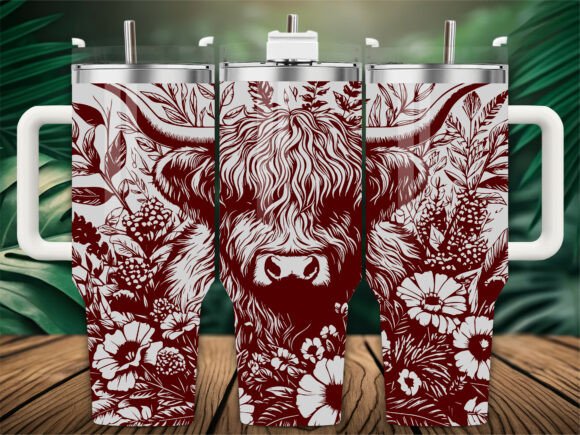
The Highland Cow has an approachable, slightly whimsical mood. It is not hyper-realistic, nor is it cartoonish. It lives in that sweet spot where a hand-drawn feel meets deliberate structure. The shaggy coat reads as texture rather than noise, and the face carries enough expression to feel like a character without losing the animal’s natural dignity. That balance is harder to find than most crafters realize. Many animal designs tip too far into cute and lose their marketability for adult-focused products. This one holds its own across age groups.
The theme fits squarely into the farmhouse, rustic, and nature-loving aesthetic that has been strong in handmade markets for several seasons. But it avoids the tired tropes of overly generic barnyard imagery. There is enough specificity in the Highland Cow’s distinct look to feel fresh. For an embroidery designer evaluating this, the first impression is simple: this design has personality that sells. It makes people smile, but it also makes them feel like they are buying something original, not just another cookie-cutter farm graphic.
Real-Life Stitch-Out: What Happens When the Hoop Closes
I tested the Highland Cow on a medium-weight cotton tote bag first. That is my go-to starting point for any new design because cotton tote fabric is forgiving enough for a fair test but honest enough to show flaws. I used a medium hoop, a tear-away stabilizer, and a standard 40-weight polyester thread in a warm brown tone for the outline with a soft cream for the face and darker chocolate for the shaggy areas. The stitch-out was clean. The fill stitch in the face area laid down smoothly without pulling the fabric, and the satin stitch details around the eyes and nose held their shape well. The shaggy texture stitched out as nice broken running stitch segments that gave the coat real dimension without turning into a dense, stiff mess.
I also ran a second test on a pre-shrunk, ring-spun cotton sweatshirt. Sweatshirt fabric has more give, so I swapped to a cut-away stabilizer and dropped my stitch density slightly to avoid puckering around the heavier fill areas. The Highland Cow handled the shift well. The design’s open areas allowed the fabric to breathe, and the shaggy sections did not trap the nap of the fleece. That is a sign of smart original digitizing. A less carefully built design would have turned the coat into a tangled, thick plate of thread that fought the fabric texture. This one stayed soft to the touch and kept its shape after a gentle wash test on delicate cycle.
For a real case scenario, I prepped a batch of three personalized tote bags as gifts for a small farm shop’s holiday orders. Each bag got the Highland Cow centered on one side with the recipient’s name arched above in a simple sans-serif font. The combination worked well because the design’s strong horizontal silhouette left room above for lettering without crowding. Customers at the shop responded immediately. They pointed at the cow’s face, touched the stitched texture, and asked if the design was available on other items. That kind of engagement is exactly what small shop owners and Etsy sellers need. It turns a single product into a conversation starter and a potential repeat order.
Where the Design Shines: Products That Fit Its Strengths
After running several tests, I can confidently say the Highland Cow performs best on medium-weight woven and knit fabrics where the design can sit without fighting the substrate. Here is where I would use it in real production:
- Tote bags and aprons – The design’s solid structure anchors well on cotton and canvas. It gives a handmade product an artisan feel that customers associate with quality.
- Sweatshirts and hoodies – The shaggy texture reads beautifully on fleece and french terry. Use a medium-weight cut-away stabilizer and keep density moderate.
- Baby blankets and nursery decor – The Highland Cow’s gentle expression fits a nursery setting without being too juvenile. Pastel thread colors or a monochrome look both work.
- Embroidered patches – The design’s distinct silhouette and moderate detail level make it an excellent candidate for a standalone patch with a merrowed edge or a laser-cut border.
- Pillow covers and tea towels – Farmhouse-style kitchen and home decor products are a natural home. The design holds up to frequent washing when stitched with quality thread and proper stabilizer.
- Personalized holiday gifts – The Highland Cow feels seasonal without being tied to a specific holiday. It works for Christmas, Thanksgiving, or just a cozy winter gift.
The design also performs well in mockups for digital product previews. Its clear shape and recognizable subject matter read well at thumbnail size, which helps Etsy sellers and digital product creators showcase their work without needing to zoom in. That is a practical advantage for anyone selling finished products or design assets in a crowded marketplace.
Where to Be Careful: Limits You Need to Know
No design is perfect for every surface, and the Highland Cow has clear boundaries. I would not recommend it for very small hoop sizes below 4x4 inches unless the design has been specifically resized and detail-checked. The shaggy texture needs enough real estate to read properly. Shrink it too much, and the coat turns into a cluster of tiny stitches that looks more like a mistake than a deliberate texture.
- Dark fabrics – If you stitch the Highland Cow on black or deep navy, use a white or light underlay and test thread contrast carefully. The shaggy sections can lose definition against dark backgrounds if the thread color is too close to the fabric.
- Stretchy or lightweight fabrics – Thin knits, silky blouses, and loosely woven linen can struggle with the fill stitch areas. Use a fusible stabilizer and reduce stitch density slightly to avoid tunneling or puckering.
- Curved surfaces like caps – The design’s horizontal shape and moderate width can make placement tricky on a cap front. It works best on flat or slightly curved surfaces. If you do use it on a cap, keep the design size under 2.5 inches in height and test the curve with a practice sew-out first.
- Dense stitch areas – The face and eye details use satin and fill stitches that, while well-placed, can become stiff if over-digitized. Confirm your stitch density settings before running a production batch, especially if you plan to sell the finished items commercially.
Visual Appeal, Product Value, and Customer Trust
The Highland Cow does something that many embroidery designs overlook: it looks finished. That may sound like a small thing, but in a handmade product, a design that feels complete and intentional raises the perceived value instantly. Customers who see a well-stitched Highland Cow on a tote or sweatshirt do not think “that is a nice design.” They think “that is a nice product.” The distinction matters for small business owners and Etsy sellers who rely on product photography and first impressions to make sales.
The design also communicates care. When a customer sees the textured coat and the clean eye detail, they assume the maker put time and skill into the piece. That assumption builds trust, which leads to repeat purchases and word-of-mouth referrals. For crafters who sell at markets or through social media, the Highland Cow’s recognizability is a bonus. People remember it. They describe it to friends. It becomes a signature piece for your shop if you use it consistently across a product category.
Practical Designer Notes Before You Stitch
Before you load this design into your machine and start a production run, here are the checks I run on every new file, including this one:
- Test on scrap fabric first. Use the exact fabric you plan to sell on. Do not skip this step even if you have stitched similar designs before.
- Check thread color contrast. The Highland Cow’s shaggy coat needs at least two values of the same color family to read well. A single solid thread color will flatten the texture.
- Review stitch density. Confirm that the fill stitch density matches your fabric weight. Too dense will stiffen the fabric; too loose will look unfinished.
- Confirm hoop size. Make sure the design fits your hoop with at least a half-inch margin on all sides. Do not jam the design to the edge of the stitching field.
- Inspect small details. Zoom in on the eyes, nose, and any fine satin stitch areas. If they look small on screen, they may not stitch clearly. Be prepared to enlarge the design slightly if needed.
- Test in black and white. View the design in grayscale or a single-color mockup. This helps you spot areas where the design might lose shape or where the texture blends into itself.
- Compare light and dark fabric backgrounds. The same design can look dramatically different on white versus navy. Test both if you plan to offer the product in multiple colorways.
- Use proper stabilizer. For most garments, a medium-weight cut-away stabilizer is safe. For towels or tote bags, tear-away works well. For stretchy fabrics, add a fusible stabilizer layer.
- Check licensing. Verify whether the Highland Cow file allows commercial use of finished products. If you plan to sell items with this design or offer the digital file itself, confirm the license terms before listing anything for sale.
- Run a full wash test. Stitch the design on a sample, wash it according to the care instructions you plan to provide, and inspect for loose stitches, fading, or distortion. Do this before you produce in quantity.
The Highland Cow design sits in the Crafts category and functions as a strong Graphics asset that translates well into embroidered products when handled with care. It is not a design you can rush. But if you take the time to match it to the right fabric, stabilizer, and placement, it delivers a product that customers notice, remember, and buy. For an experienced designer evaluating a file for real project use, that is the kind of design worth adding to your active rotation.