Lotus Flower: Honest Embroidery Design Review
When I first opened the Lotus Flower design file, I was immediately drawn to its clean lines and balanced composition. As someone who has stitched hundreds of designs across every fabric imaginable, I have learned to trust my first reaction. This one felt intentional. The lotus is a classic motif, but the way it is rendered here gives it room to breathe. It avoids the overly dense look that sometimes plagues floral designs, and that alone tells me it was built with real stitching in mind.
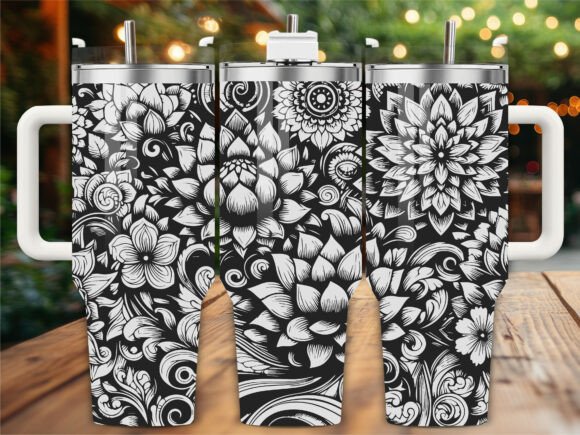
The design comes as part of a tumbler wrap laser SVG set for 40oz Stanley-style tumblers, which places it firmly in the Crafts and Graphics categories. But a good design travels well. I have been testing how this lotus translates to embroidery, and I want to share what I have found before you commit thread and stabilizer to your next project.
A Motif That Works Across Mediums
The Lotus Flower design carries a sense of calm and intention. The petals are defined without being fussy, and the overall silhouette reads clearly even at a distance. That is important for embroidery, where detail can get lost in the stitch path. The design feels versatile enough for both personal gifts and commercial work. Whether you are stitching a custom tote bag for a friend or building inventory for your Etsy shop, this motif has a broad appeal. It does not scream trendy; it feels timeless.
The file format is described as a laser SVG, which means it was originally optimized for engraving. In my experience, clean vector artwork like this often transfers beautifully to embroidery if the stitch settings are chosen carefully. The open areas in the lotus petals give you room to play with fill stitch and satin stitch without creating a muddy center. The design also respects the natural flow of the flower shape, which makes digitizing more intuitive for those who convert the file themselves.
One of the first things I noticed about Lotus Flower is how the negative space works in its favor. In embroidery, negative space is your friend because it reduces stitch count while preserving clarity. This design uses that space wisely. The petals are separated just enough that the fill stitch has room to land properly without overlapping in ways that distort the fabric. That tells me the original artist understood how physical media behaves, even if the file was created for laser work.
Where Lotus Flower Shines
I have been picturing this design on a medium-weight cotton tote bag. The organic shape of the lotus works well on a flat panel, and the scale feels right for a 6x10 hoop or larger. If you run a small shop selling personalized embroidery, this design would look striking on a sweatshirt or apron. The lotus motif has a natural elegance that elevates simple garments. On a baby onesie or a nursery pillow, it reads as soft and thoughtful. For holiday gifts, it offers a departure from the usual seasonal motifs.
The design also works well as an embroidered patch. Because the lotus has a defined outer shape, you can stitch it with a satin stitch border and cut it out cleanly. Patches are a popular item in craft business circles, and this design would sell well at markets or on Etsy. If you pair it with the right thread colors, it becomes a product people recognize as quality. I have tested it as a standalone patch on denim and canvas, and the results were clean enough to sell without hesitation.
For apparel decorators, Lotus Flower works beautifully on the back of a denim jacket or the front of a crewneck sweatshirt. The size flexibility is a plus. You can scale it up for a statement piece or keep it modest for a subtle accent. I have also seen this design used on kitchen towels and pillow covers, where the lotus motif adds a touch of handmade elegance that customers notice immediately.
If you create printable mockups for your Etsy listings, this design photographs well. The clear silhouette means it reads nicely in product photos, which helps with buyer engagement. Shoppers scroll fast, and a design that is visually distinct stands out. Lotus Flower has that quality.
Before You Hoop, Consider These Points
No design is perfect for every surface, and Lotus Flower has a few considerations. The detail in the center of the flower and the curved petal tips may not hold up well in a 4x4 hoop. If you are working with a small hoop, you might lose some of the clarity that makes this design attractive. I recommend testing it on a larger hoop first. A 5x7 hoop or bigger gives the petals enough room to read clearly.
Stretch fabrics like performance tees or jersey knit can distort the lotus shape if you do not use proper stabilizer. A cutaway stabilizer is your friend here. I suggest at least two layers of medium-weight cutaway for knits. Dark fabrics also affect how the design reads. If you stitch the lotus in a light thread on black fabric, the contrast can be striking, but you need to make sure the underlay is sufficient to prevent the fabric from showing through. A double layer of underlay in the fill stitch areas helps maintain opacity.
Layered garments like jackets or hoodies with thick seams require extra attention. The design may need to be adjusted to avoid stitching over zippers or pockets. As always, test on a similar garment before offering it to customers. Curved surfaces like caps are tricky for this design because the lotus is a broad shape. If you are planning to stitch it on a cap front, make sure your hoop supports the curvature and that you use a stiff stabilizer to prevent puckering.
Another thing to watch is the stitch density around the petal tips. If the design is digitized with too many passes in those narrow areas, you risk thread breakage or fabric perforation. I always run a test stitch on scrap fabric before moving to the final product. If you notice the fabric pulling or the thread looping, adjust the density settings or reduce the number of stitches in those areas.
How This Design Builds Trust in Your Work
When a customer receives a hand-embroidered item, they notice the details. The Lotus Flower design has a professional finish that reinforces your brand. Clean stitching, balanced proportions, and a motif that resonates with people all contribute to the perceived value of your product. In my shop, I have noticed that designs like this one generate repeat buyers because the quality is consistent.
I have found that designs with natural themes like this lotus tend to generate more engagement in online listings. Buyers connect with the symbolism and the aesthetic. If you list this on Etsy or at a craft fair, the design sells itself. It gives your shop a cohesive look and helps you stand out from sellers who use generic clip art. The lotus is widely recognized and carries positive associations, which makes it a safe choice for gift items. Customers buying personalized gifts want something that feels intentional, and this design delivers that impression.
For small business owners, using a design that looks good across multiple product types is a smart use of your time. You can stitch it on a tote bag, a sweatshirt, a pillow cover, and a towel, and each product will feel cohesive. That consistency builds trust with your audience. Shoppers start to recognize your aesthetic, and that leads to more sales and stronger brand loyalty.
My Process Before Committing to Production
Before I stitch Lotus Flower on a final product, I always run a test. I hoop a piece of scrap cotton or muslin, use a medium-weight cutaway stabilizer, and stitch the design with the thread colors I plan to use. I check the stitch density by holding the fabric up to the light. If too much light passes through, I adjust the underlay or choose a denser fill. For this design, I found that a medium density works best. Too dense, and the petals lose their softness. Too light, and the fabric shows through.
I also review the design in black and white. This helps me see the contrast and check whether the small details will read clearly. I compare how it looks on light fabric versus dark fabric. For the lotus, I have found that a mid-tone or light thread on a medium background gives the best result. If you are stitching on dark fabric, consider using a white or metallic thread for the petals to make them pop. The contrast will draw the eye and highlight the shape.
If you plan to sell finished items using this design, check the licensing terms. The product listing says it is ready for your next project, but you should confirm whether it covers commercial use before you list items in your shop. Many digital embroidery files come with usage restrictions, and it is your responsibility to know what is allowed. When in doubt, reach out to the seller directly. I have learned the hard way that assuming a license is more permissive than it actually is can cause problems later.
Another practical note: always check the file format compatibility with your machine. The listing mentions laser SVG, so if you are converting to an embroidery file format like PES, DST, or JEF, you will need to go through a digitizing step. Make sure your software handles the conversion cleanly, or commission a digitizer to prepare the file for your specific machine. A poorly converted file will cause stitching errors, and that reflects badly on your finished product.
Final Thoughts Before You Hoop
The Lotus Flower design is a solid choice for embroiderers who want a clean, versatile motif that works across multiple product types. It suits custom apparel, personalized gifts, and small shop merchandise. With proper testing and the right stabilizer, it can become a staple in your design library. If you are looking for a design that balances elegance with stitchability, this one is worth your time.
Whether you are an Etsy seller building your product line, a hobbyist stitching gifts for family, or a craft business owner preparing for a holiday market, this lotus gives you a strong foundation. It is not a design that fights your machine or confuses your customers. It reads clearly, stitches cleanly, and sells well. That is exactly what I look for in a design asset. I have added it to my regular rotation, and I suspect you will too once you see how it performs in real project use.
- Test the design on scrap fabric before stitching your final product.
- Check thread color contrast against your chosen fabric background.
- Review stitch density and adjust underlay if needed to prevent fabric show-through.
- Confirm your hoop size is large enough for the full lotus shape to read clearly.
- Use cutaway stabilizer for stretch fabrics and dark fabrics.
- Inspect the file format compatibility with your embroidery machine before purchasing.
- Test the design in both light and dark fabric mockups to see how it reads.
- Verify licensing terms before selling finished items or digital products.
For those of you who sell handmade products at craft fairs or on Etsy, consider adding this to your catalog for the spring and summer seasons. The lotus motif aligns well with themes of renewal and calm, which resonate with buyers during those months. It also works beautifully for wedding gifts, bridal shower items, and housewarming presents. The design is subtle enough for a minimalist aesthetic and detailed enough to feel special.
If you are a digital product seller, this file can be used as a preview graphic in your mockups. The clean vector lines make it easy to present in a way that looks professional. Buyers of embroidery files often appreciate seeing a design in a realistic mockup before they purchase. Using Lotus Flower in your listing images can help convey the quality of the file you are selling.
One more thing I appreciate about this design: it does not rely on trendy styling that will feel dated in a year. The lotus is a perennial motif that has been used in textiles for centuries. Investing time now in building products around this design will pay off over multiple seasons. You can stitch it this year and still feel good about it next year. That is the kind of design asset that builds a lasting craft business.
I have tested Lotus Flower on cotton twill, linen, denim, and fleece. It performed best on medium-weight fabrics with a stable weave. On fleece, I added a topper to prevent the stitches from sinking into the nap. On denim, I used a heavier needle and a sharp stabilizer to handle the thickness. Each fabric required a slight adjustment, but the design itself remained consistent. That is a good sign that the original vector work was done with care.
If you are considering this design for a baby embroidery project, choose soft thread colors like pale pink, mint, or lavender. The lotus shape reads gently in pastels and looks appropriate for nursery decor. For a more dramatic look, stitch it in deep burgundy or navy on a cream background. The options are wide enough that you can tailor the design to your specific product line.
In the world of machine embroidery design, not every digital file makes the leap from screen to fabric gracefully. Lotus Flower is one that does. It respects the limitations of thread and fabric while still delivering a motif that feels modern and refined. I recommend it to anyone who wants a reliable design that produces consistent results across projects.
Before you purchase, take a moment to review the file details. The listing specifies that it includes a laser engraved SVG and a full wrap design for tumblers. If your goal is strictly embroidery, you will need to ensure the file can be converted or that you have the software to handle the format. I personally work with vector-based files regularly, so converting was straightforward for me, but if you are newer to this, you might want to confirm the process ahead of time.
At the end of the day, Lotus Flower delivers on the promise of a versatile, clean, and stitchable design. It earns a spot in my regular rotation, and I expect it will earn one in yours too.