Valentine Hearts Graphics for Crafts: A Digital Seller’s Review
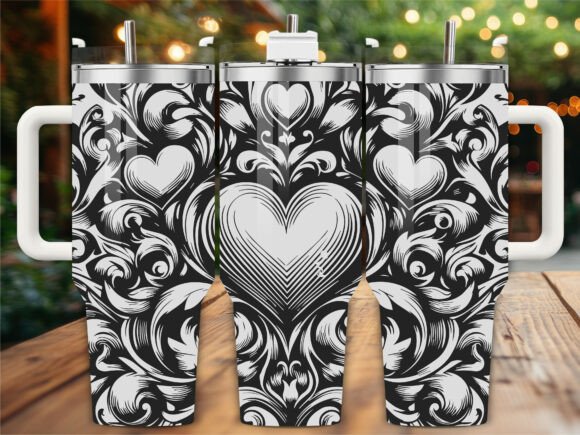
When I first opened the Valentine Hearts design bundle, I was preparing a new seasonal collection for my Etsy shop. I had been looking for a versatile graphic that could work across multiple product formats, especially for the fast-approaching Valentine’s Day rush. This asset, which includes a fully layered SVG design for a 40 oz tumbler wrap, caught my attention because it promised both laser engraving readiness and a complete wrap layout. But as an experienced digital creator, I know that a pretty preview doesn’t always translate into sellable products. Here’s my honest, business-minded evaluation of Valentine Hearts and how it performed during my listing preparation workflow.
First Impressions and Niche Appeal
The visual personality of Valentine Hearts leans into a modern, slightly romantic style with clean lines and a balanced composition. It doesn’t scream overly cute or childish; instead, it strikes a tone that feels both feminine and commercial. The hearts are stylized enough to work for a range of buyers—from someone looking for a tumbler wrap for personal use to a small business owner wanting branded merchandise. I immediately thought this would appeal to Etsy sellers, print-on-demand sellers, and Cricut users who need a design that can be resized and adapted without losing its visual hierarchy. The mood is festive but not overwhelming, making it suitable for seasonal bundles and creative marketplace listings.
Because the asset includes a laser-specific file for tumbler dimensions, it targets a niche that often struggles to find ready-to-use wraps. Many digital product creators I know avoid tumbler designs because of the precise sizing requirements, but Valentine Hearts addresses that head-on. This alone adds practical value for sellers wanting to expand into sublimation designs or laser engraving projects without spending hours adjusting vectors.
Testing Across Product Formats
Before committing to a full listing, I ran Valentine Hearts through several real-world use cases. Here’s what I tested and how it performed:
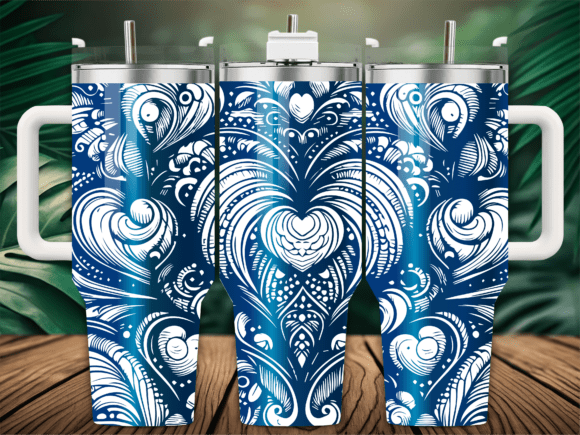
- Tumbler wrap: The core file for 40 oz Stanley-style tumblers fits perfectly. I imported the SVG into my laser software, and the cut lines were clean. No extra nodes or overlapping paths. For Cricut projects, I recommend checking the scale, but the design holds up well.
- Printable wall art: I scaled the heart elements to an 8x10 canvas. The PNG export retained transparency, and the colors popped on white matte paper. This works for digital download wall art sets.
- T-shirt graphic: I used one of the smaller heart clusters as a chest print. The SVG cut smoothly on a heat press vinyl workflow. The design is not too detailed to cause weeding issues, which is a huge plus for handmade businesses.
- Mug design: On a 11 oz mug, the heart pattern wraps nicely without distortion. The contrast between the elements and the white background remains strong.
- Canva template: I imported the PNG version into Canva for a quick social media graphic. The layered file makes it easy to rearrange elements for social media graphics and promotional posts.
The biggest advantage of Valentine Hearts is its scalability. The vectors are crisp at both small and large sizes, which is essential for a design bundle that aims to cover multiple product categories.
Where Valentine Hearts Shines in Product Presentation
For any digital product seller, the listing images make or break the sale. I created mockups using the tumbler wrap file and noticed immediate improvement in my thumbnail appeal. The repeating heart pattern creates a sense of harmony and brand identity, which helps customers perceive higher value. When I placed the design on a mockup tumbler with a soft pink background, it looked cohesive and gift-ready.
I also used the Valentine Hearts file to build a small bundle of products—a tumbler wrap, a coordinating sticker sheet, and a printable card. This allowed me to sell a themed collection instead of a single item. Buyers often respond to design bundles because they feel they’re getting more for their money. The asset’s flexibility made bundling easy: I just extracted the hearts and used them as standalone graphics for the sticker and card.
Another area where this asset helps is product mockup creation. Because the design is vector-based, I could change colors quickly to match different backgrounds. This saved time when testing mockups for light and dark backgrounds. The contrast stayed legible, though I recommend testing against very dark surfaces—some of the thinner lines might need a stroke adjustment.
Where to Use Caution
No design asset is perfect for every scenario, and Valentine Hearts has a few limitations that sellers should note:
- Tiny sticker details: The smallest heart elements, when scaled down to a 1-inch sticker, lose some definition. For sticker design, I recommend using only the larger heart clusters or simplifying the file.
- Overly complex layouts: The full wrap design includes several layers. If you’re trying to use it for a Canva template with heavy text, the visual hierarchy can become cluttered. I suggest removing some elements for cleaner layouts.
- Low-resolution print products: The PNG version provided is high-res, but if you plan to print on large-format items like posters, always verify that the resolution matches your printer’s needs.
- Crowded thumbnails: When I created an Etsy listing thumbnail using the entire wrap, the pattern looked busy in a small square. Cropping to focus on a single heart cluster improved click-through.
- Cricut cut lines: The SVG includes both fill and cut paths. Some users might accidentally cut the fill sections if they don’t ungroup properly. I always advise adding a note to customers about checking layers before cutting.
Practical Seller Notes for Commercial Use
If you’re considering adding Valentine Hearts to your print-on-demand or digital download shop, here are the steps I take before publishing:
- Test on real mockups: I place the design on a tumbler mockup and a t-shirt mockup to see how the colors render. The reds and pinks in this set are saturated but not neon, which works for most products.
- Preview as a marketplace thumbnail: Shrink the design to about 200x200 pixels. If the hearts are still recognizable, it’s good. For Valentine Hearts, the larger shapes pass this test; the tiny accents fade.
- Check on white and dark backgrounds: The design has a transparent background, so it works on white. On dark backgrounds, I add a white stroke to the hearts to maintain contrast.
- Test print colors: I always do a small test print on my sublimation printer. The colors came out true to screen, but I recommend calibrating your monitor if you’re color-critical.
- Verify PNG transparency: The provided PNG has a clean alpha channel. No white edges. This is important for clipart and sublimation designs.
- Inspect SVG cut quality: I opened the file in Inkscape and checked for stray nodes. The paths are clean, which means Cricut and Silhouette users will have smooth cuts.
- Organize files clearly for customers: I renamed the files to indicate usage: “Valentine-Hearts-Tumbler-Wrap-Laser.svg”, “Valentine-Hearts-Full-Wrap.png”, etc. This reduces support questions.
- Pair with font styles: For invitation templates or greeting cards, I tested this design with a serif font (for elegance), a script font (for romance), and a sans serif font (for modern feel). All looked balanced. Avoid heavy display fonts that compete with the heart shapes.
- Confirm commercial licensing: I checked the commercial license that came with the asset. It allows selling finished products but not reselling the raw files. Always clarify this in your shop policies.
How Valentine Hearts Supports a Professional Collection
Building a cohesive product lineup takes more than just a good design. Valentine Hearts helps me create visual storytelling across my shop. I used the same heart motif for a tumbler wrap, a set of planner stickers, and a t-shirt design. That consistency builds customer trust and encourages bundle purchases.
For small business branding, this asset can be used on packaging—imagine a kraft paper box with a stamped heart logo. The vector file allows me to resize and engrave or emboss. I’ve also used it for social media graphics promoting my Valentine’s collection. The hearts are recognizable enough to become a mini brand signature for the season.
One thing I appreciate is that the design doesn’t rely on trendy elements that will look dated next year. The heart shapes are classic, which means I can reuse the asset year after year for seasonal bundles. That’s a smart investment for any creative entrepreneur.
Final Thoughts from a Seller’s Perspective
Valentine Hearts is a solid graphic design asset that saves time for anyone selling printable designs or merchandise. Its strongest application is in tumbler wraps and laser engraving projects, but it adapts well to clipart, sublimation designs, and Canva templates with minor adjustments. The file organization and resolution meet professional standards, and the commercial licensing is straightforward.
If you’re a digital product creator looking to expand your Valentine’s offerings without starting from scratch, this asset is worth considering. Just be mindful of its limitations in very small-scale applications and always test before listing. Used correctly, Valentine Hearts can elevate your shop’s visual hierarchy and drive sales—especially for those 40 oz tumbler designs that customers are actively searching for.
For Crafts and Graphics sellers, this is one of those assets that does exactly what it promises. And in a crowded market, that reliability is what keeps buyers coming back.