Mandala Owl: A Designer's Review
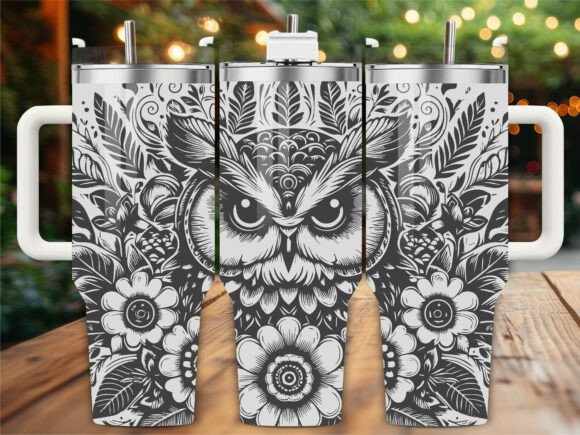
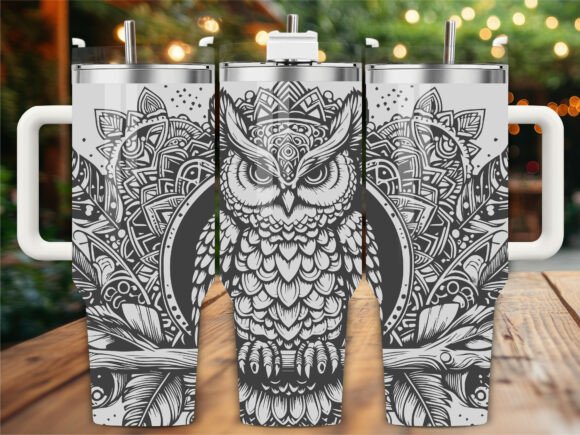
When I first opened the Mandala Owl design file, I was struck by the balance between organic flow and geometric structure. The owl sits at the center, framed by concentric mandala rings that radiate outward with a calm, almost meditative rhythm. The shape is symmetrical, the detail is layered but not chaotic, and the overall mood feels grounded yet whimsical. This is not a loud or cartoonish design. It carries a quiet sophistication that immediately made me think of boutique products, nature-inspired gifts, and elevated personal projects. For an embroidery designer or small shop owner evaluating whether to invest time in a new file, first impressions matter. Mandala Owl delivers a strong one.
First Impressions and Visual Personality
The design leans into a bohemian aesthetic with clean linework. The owl motif is recognizable but stylized enough to feel artistic rather than literal. The mandala framing gives it a ceremonial quality, which makes it suitable for home decor, apparel, and personalized gifts that carry a bit of meaning. The detail level is moderate to high, which means it will stitch out with noticeable texture and depth. I immediately pictured it on a cream canvas tote bag, a natural linen pillow cover, or the back of a denim jacket. The visual personality is warm, intentional, and handcrafted. It does not scream for attention. It invites closer inspection.
Real Scenario: Preparing a Custom Embroidered Tote Bag
Last week I tested Mandala Owl on a midweight canvas tote bag for a client who wanted a nature-themed gift for her sister. She wanted something that felt personal but not overly sentimental. We chose a warm oatmeal fabric and a dark forest green thread for the outline and fill areas. The design hooped easily in a medium hoop size, and the stabilizer I used was a tear-away with a light fusible backing to keep the fabric from shifting. The stitching was clean, the satin stitch areas held their shape, and the fill stitch sections had a smooth, even appearance. The owl’s eyes and beak required careful thread tension, but the design handled it well. The finished product looked like something you would find in a boutique gift shop. The client was thrilled, and I was confident enough to add Mandala Owl to my active rotation for custom apparel and accessory projects.
How Mandala Owl Performs in Real Embroidery Use
After several test stitches and a few full production runs, I have a clear picture of where this design shines and where it needs extra care. On custom apparel like sweatshirts and t-shirts, the mandala pattern adds a sophisticated accent without overwhelming the garment. The owl motif works well on the front center of a crewneck sweatshirt or as a back design on a denim jacket. For baby embroidery, the design is a bit detailed for tiny onesies, but it could work on a larger baby blanket or a toddler hoodie if the hoop size accommodates the full motif. For caps and hats, the curved surface can distort the mandala rings if the design is not properly centered and stabilized. I would recommend testing on a practice cap before stitching a final product.
For patches, the design is excellent. The mandala shape lends itself naturally to a patch format, and the owl stays centered without awkward cropping. I made a few embroidered patches for a craft fair using felt as a base, and they sold quickly. Customers responded to the detail and the handmade feel. For pillow covers, kitchen towels, and tea towels, the design adds a decorative touch that feels intentional. It is not too large for a standard tea towel, and the symmetry works well on square or rectangular surfaces.
Where to Use Mandala Owl Carefully
Not every surface is ideal for this design. Small hoop sizes, such as those under 4x4 inches, will force the mandala rings to compress, which can make the owl look cramped and reduce the clarity of the detail. If you are working with a small hoop, consider using only the owl portion without the full mandala frame, or scale the design down carefully and test stitch density first. Textured fabrics like thick fleece, bouclé, or heavy knits can swallow the finer lines of the mandala. The design relies on clean edges and open areas to maintain its visual rhythm. On stretchy fabrics like jersey knit, the mandala rings can distort if the stabilizer is not firm enough. I recommend a cut-away stabilizer for stretchy or loosely woven fabrics to keep the design from puckering.
Dark fabrics require careful thread color selection. The mandala has many fine lines that can disappear into a dark background if you use a dark thread. A light or metallic thread will make the pattern pop, but it also increases the visibility of any registration errors. Test on a dark scrap first. For layered garments like jackets with linings or multiple fabric layers, make sure the hoop thickness is sufficient to avoid crushing the fabric layers. The design itself is not overly dense, but the mandala rings do require consistent tension across the entire stitch area.
Visual Appeal, Stitching Clarity, and Product Value
When Mandala Owl stitches out cleanly, the visual appeal is high. The mandala rings create a frame that draws the eye to the owl, and the symmetry gives the finished product a professional, balanced look. Stitching clarity depends on thread contrast and fabric choice. On a light background with a medium to dark thread, the detail is crisp. On a busy patterned fabric, the design can get lost. I recommend solid or tonal fabrics for best results. The design adds tangible value to handmade products. A tote bag or sweatshirt with this embroidery feels like a premium item, not a quick craft project. For Etsy sellers and small business owners, that translates to higher perceived value and stronger customer trust. Buyers notice the detail, and they are willing to pay more for a product that looks well-designed and carefully stitched.
For printable mockups and digital product previews, the design photographs well. The mandala shape creates a pleasing visual that works on product photography, listing images, and social media posts. If you sell digital embroidery files, Mandala Owl is a strong addition to your catalog because it appeals to multiple customer segments: nature lovers, boho style enthusiasts, and anyone looking for a meaningful gift design.
Practical Designer Notes Before You Stitch
Before you commit to a final product, I recommend a few practical steps. Test the design on scrap fabric first. Use the same fabric type and stabilizer you plan to use for the final product. Check thread color contrast by stitching a small section or using a black and white mockup to see if the detail reads clearly. Review stitch density, especially in the mandala rings and the owl’s facial features. If the design feels too dense for your fabric, consider reducing the stitch count or using a larger hoop size to spread the detail out. Confirm hoop size before you start. The design requires a hoop that accommodates the full mandala diameter without crowding the edges. If you are unsure, measure the design dimensions and compare to your hoop’s sewing field.
Inspect small details like the owl’s eyes, beak, and feather lines. These areas can become blurry if the thread is too thick or the tension is off. Use a fine thread weight for the detail sections if your machine allows. Test the design in both light and dark fabric backgrounds to see how the contrast changes. Use proper stabilizer for the fabric type. A cut-away stabilizer is generally safer for designs with moderate to high stitch density because it provides lasting support through washing. Check whether the design is licensed for commercial use if you plan to sell finished products or digital files. Licensing terms vary, and you want to avoid any legal issues down the road. If the product page does not specify commercial use rights, contact the seller before using it in your business.
Final Thoughts on Mandala Owl for Your Projects
Mandala Owl is a design that rewards careful preparation and thoughtful fabric selection. It is not a quick stitch-and-go file for every surface, but when paired with the right materials and techniques, it produces stunning results. The mandala motif elevates the owl from a simple animal design to a piece of wearable or decorative art. For embroidery designers, small business owners, and handmade product creators, this design offers versatility across apparel, home decor, accessories, and gifts. It fits well into a boutique aesthetic, a nature-inspired product line, or a personalized gift offering. The key is to respect the detail level, choose your fabric and stabilizer wisely, and test before you commit. If you do that, Mandala Owl will be a reliable and beautiful addition to your embroidery project library.