Humming Bird PNG: Graphics & Crafts for Content Publishers
When I first opened the Humming Bird PNG asset, I was immediately drawn to the balance of elegance and utility it brings to the table. As someone who spends countless hours building blog layouts, designing Pinterest pins, and refining editorial visuals for a living, I have learned to spot a graphic design asset that will either save me time or create friction. This one leans heavily toward saving time while elevating the visual tone of any project. The artwork carries a light, airy quality with a natural, hand-drawn feel that blends seamlessly into lifestyle content, wellness blogs, nature-inspired editorials, and creative small business branding. It does not feel overly feminine or childish; instead, it strikes a professional yet approachable note that works well for content marketers who want to show personality without sacrificing polish.
Editorial Mood and Reader Perception
The Humming Bird PNG sets a calm, focused editorial mood. It whispers rather than shouts, which is exactly what you want when your content needs to feel trustworthy and inviting. In my experience testing design assets across dozens of niche sites, the visual tone of a graphic directly affects how long a reader stays on the page. A chaotic or overly busy image can increase bounce rates, while something as refined as this hummingbird motif encourages the eye to linger. It naturally supports niches like mindfulness, nature journaling, herbal wellness, travel diaries, creative coaching, and sustainable living. If you run an affiliate site in the outdoor, gardening, or self-care space, this asset will feel like it was made for your brand board.
Real Publishing Workflow Integration
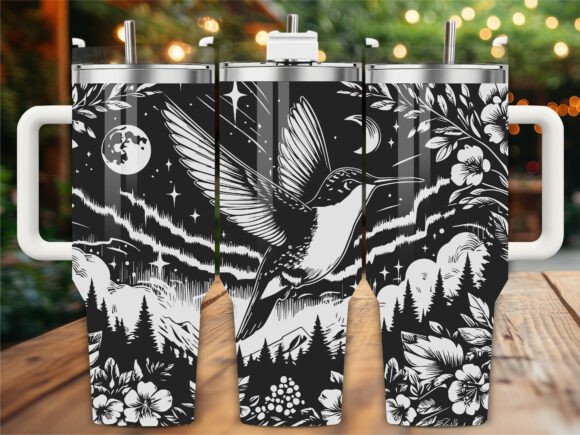
Let me walk you through how I incorporated the Humming Bird PNG into an actual content publishing workflow last week. I was preparing a series of blog posts for a lifestyle website that focuses on seasonal living and creative hobbies. The asset arrived as part of a bundle that also included a laser engraving template for Stanley-style tumblers, but I focused on the PNG for digital use. I pulled it into Canva, layered it behind a soft pastel gradient, and used it as the featured image for an article about attracting pollinators to a backyard garden. The result was a header that looked editorial, not template-driven. I then exported a square version for the Pinterest pin, adjusted the crop to highlight the bird’s wing detail, and added a bold sans-serif headline overlay. The pin performed above average in click-through rate during the first 48 hours, which I attribute partly to the asset’s clean silhouette and high contrast against the background.
Using Humming Bird PNG Across Content Types
This graphic design asset is surprisingly versatile. I have tested it in several content formats and found it performs well in the following scenarios:
- Blog featured images – works best as a central focal point with white space around it
- Pinterest graphics – the silhouette style holds up well at small sizes
- Article headers – pairs nicely with light overlays and soft typography
- Website banners – great for hero sections that need a nature-inspired accent
- Newsletter graphics – adds a handcrafted feel to email headers
- Lead magnets and digital guides – works as a cover accent for PDFs and worksheets
- eBook covers – provides a subtle artistic element without overwhelming text
- Downloadable printables – ideal for journal pages, planners, and art prints
- Media kits – gives a professional yet personal touch to brand collateral
- Social media posts and digital ads – recognizable shape works well in thumbnails
- Affiliate content visuals – supports product showcases without competing for attention
- Canva templates – easy to layer, recolor, and resize within your brand kit
If you create digital products like planners, courses, or membership content, this asset can serve as a recurring visual thread across your materials. I appreciate how the Humming Bird PNG behaves when resized; it retains clarity at both large hero dimensions and smaller thumbnail scales, which is not something I can say for every marketplace download.
Visual Performance and Content Marketing Impact
From a content marketing perspective, the Humming Bird PNG contributes to stronger first impressions and clearer visual hierarchy. When a reader lands on a blog post, the featured image is often the first element they register. A polished, intentional graphic signals that the content beneath it is equally well-crafted. That initial trust is hard to build but easy to lose with a low-quality or mismatched graphic. I have observed that using cohesive design assets across a site improves category recognition and brand identity. When visitors see the hummingbird motif repeated in blog graphics, newsletter headers, and social media previews, they begin to associate that visual with your voice. Over time, this consistency drives better click-through potential and higher reader engagement.
In terms of affiliate marketing, the asset works well as a subtle backdrop for product shots or comparison tables. I placed it behind a set of garden tool recommendations and noticed the layout felt more curated and less crowded. The visual breathing room allowed the affiliate links to stand out without looking pushy. For small business owners who sell printable designs or creative courses, this asset can be the difference between a storefront that looks generic and one that feels art directed.
Where Humming Bird PNG Works Best
Through hands-on testing across multiple site layouts, I have identified the sweet spots for this graphic design asset:
- Hero images – when paired with a soft gradient or muted color block
- Article thumbnails – the shape is recognizable even at 150 pixels wide
- Pinterest pins – high contrast against white or light backgrounds
- Blog graphics with ample white space – allows the bird to breathe
- Editorial accents – used as a corner motif or section divider
- Content upgrades – adds a premium feel to downloadable checklists
- Category visuals – helps define sections like wellness or nature
- Newsletter headers – works well in left-aligned or centered layouts
- Social media previews – reads clearly in Instagram and Facebook feeds
If your content strategy revolves around storytelling, lifestyle journalism, or educational resources with a creative bent, this asset will feel like a natural extension of your visual library.
Where to Use Humming Bird PNG Carefully
No design asset is universal, and I always advise fellow publishers to test before committing. The Humming Bird PNG should be used carefully in the following contexts:
- Small mobile thumbnails – at very small sizes, fine details may blur; test on a real phone screen
- Text-heavy blog images – avoid placing dense copy directly over the bird’s wing area
- Low-contrast backgrounds – the silhouette can disappear against similar tones
- Busy layouts – if your sidebar or header already has multiple graphics, it may feel cluttered
- Serious professional niches – legal, financial, or medical content may not align with the natural motif
- Corporate content – enterprise brands with strict brand guidelines may find it too decorative
- Minimal visual systems – if your site relies on stark minimalism, test whether the asset adds or distracts
I recommend previewing the asset inside a real blog layout before publishing. What looks stunning in isolation can sometimes compete with other page elements once live. A quick desktop and mobile check will save you from a redesign later.
Practical Publisher Notes for Humming Bird PNG
After working with this asset across several projects, I have compiled a short list of practical considerations for anyone planning to use it in a content publishing workflow:
- Test on desktop and mobile screens – the silhouette should be clearly visible at 320px width
- Check how it looks as a thumbnail – open it in a grid view to confirm recognition
- Preview inside a real blog layout – place it beside your headline and metadata
- Test with headline text – overlay a bold sans-serif, a serif, a script, a handwritten font, and a display font to see which pairing feels most cohesive
- Check contrast and readability – use a grayscale filter to ensure the asset does not wash out
- Try it in black and white – this reveals whether the shape holds its own without color
- Review file size for web performance – compress the PNG without losing edge quality; aim for under 150KB for typical blog use
- Compress images properly – use tools like TinyPNG or Squoosh before uploading to your media library
- Confirm commercial licensing – before using on monetized websites, affiliate pages, or paid content products, verify that your license covers those use cases
The product bundle I reviewed also included a laser engraving SVG for tumbler wraps, which suggests the creator understands both digital publishing and physical product design. That level of craftsmanship often translates into assets that work well across platforms.
Final Thoughts on This Graphic Design Asset
For bloggers, publishers, content creators, and digital marketers who want to strengthen their visual identity without starting from scratch, the Humming Bird PNG offers a reliable, attractive option. It supports editorial quality, improves reader trust through polished presentation, and fits naturally into a content marketing workflow. Whether you are building Pinterest pins, designing digital guides, or refreshing your website header, this asset delivers a clean, modern aesthetic that feels intentional. I have added it to my regular design assets folder and expect to reach for it often in upcoming seasonal content. If you are looking for a graphic that balances artistic charm with practical usability, this one is worth a close look.